How to Put a Recovery Suit on a Cat Without a Wrestling Match
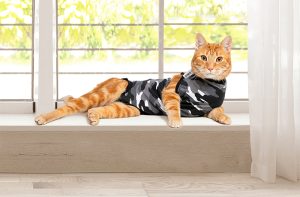
If your cat is recovering from surgery (spay/neuter/sterilise), has a skin issue, or needs to stop licking an incision, a cat recovery suit can be a calm, cone-free solution. Below, you’ll find quick steps, a fit guide, and real-world tips to make the first hour smoother for both of you.
Table of contents
- Quick Steps: How to Put On a Cat Recovery Suit
- Sizing and Fit Micro-Checklist
- The First 60 Minutes: What to Expect
- Why Choose a Cat Recovery Suit vs a Cone?
- Fit and Sizing Guide
- Troubleshooting Common Problems
- Care, Cleaning, and Daily Use
- FAQs
- Sources and credits
Quick Steps: How to Put On a Cat Recovery Suit
If you’re searching for how to put on a cat recovery suit, start here.
- Prepare a quiet room and have high-value treats ready.
- Open the suit fully; place your cat on a non-slip surface.
- Slide the suit over the head gently, keeping ears free.
- Guide each front leg through the armholes.
- Align the body, then guide each hind leg through.
- Close the suit (zip/snaps/Velcro). Two-finger fit; tail must be free.
- Reward and encourage 5–10 minutes of gentle walking.
- Re-check fit after 15 minutes.
Sizing and Fit Micro Checklist
- Two finger rule: You should slide two fingers comfortably under the suit at neck, chest and belly.
- Tail clearance: Tail must move freely; bathroom flap/area unobstructed.
- Leg openings: No pinching at armpits or thighs; full shoulder/hip movement.
- Alignment: Closure sits straight; no twisting seams; incision fully covered.
- Bathroom test: Check your cat can pee/poop without the fabric getting soiled.
- Re-check after 10–15 min: Adjust if your cat has settled or the suit has shifted.
When to stop and call your vet
- Swelling, laboured breathing, panting, or extreme distress
- Persistent attempts to bite the incision through the suit
- Inability to urinate/defecate, or straining in the litter tray
- Fresh bleeding, discharge, or an incision that looks open
- Heat stress signs (especially in hot weather): drooling, rapid breathing, lethargy
The First 60 Minutes: What to Expect
A “freeze” or “flop” is common at first (a normal stress response called tonic immobility). Most cats begin to move more naturally within 10–20 minutes. Use treats, calm voice, and short walk-abouts between rooms. Keep the suit on for 60 minutes if your vet advised continuous wear; otherwise, build up in short sessions across the day.
Why Choose a Cat Recovery Suit vs a Cone?
Cones (E-collars) can block vision, catch on furniture, and make eating/grooming awkward. A well-fitted cat recovery suit:
- Protects surgical sites and hotspots without blocking vision
- Supports normal eating, drinking, and litter habits
- Lowers stress in sensitive or anxious cats
Fit and Sizing Guide
A good fit is the difference between “flop” and “fine.” Here’s how to get it right.
How tight should a cat recovery suit be?
- Snug but never restrictive. Use the two-finger rule at the neck and around the ribcage.
- Watch for signs it’s too tight: hissing when you touch seams, shallow breathing, red marks, reluctance to move.
- Too loose: fabric bunching, your cat can reach the wound, or they “back out” of the suit.
How to measure quickly (30 second check)
- Weight and length: note your cat’s current weight and measure from base of neck to base of tail.
- Chest girth: behind the front legs at the widest point.
- Between sizes? Most cats are more comfortable sizing up, especially post-op.
Common queries: “Cat recovery suit size guide for 3 kg/4 kg cat” — small/XS often fits 3–4 kg cats; check the brand’s chart.
Brand notes
- Suitical cat recovery suit: typically true to size; great belly coverage for spay/abdominal surgery.
- MPS cat shirt recovery (MPS Shirt – Cat): soft fabric and easy closures; good for kittens and slim cats.
Need help? Message us with weight, girth and a side photo; we’ll size match for you.
Local tip (South Africa): We deliver nationwide in 2–4 working days.
Step by step: Calm, No Wrestle Method (Detailed)
- Set the scene: Choose a quiet room, close doors, and have treats ready. A non-slip mat helps. Let your cat sniff the suit first.
- Head and front legs: Unfasten the suit fully. Slide it over the head carefully, avoiding the ears. Guide one front leg, then the other, through the armholes.
- Align the body: Smooth the fabric along the spine and under the belly so seams sit straight.
- Back legs and closure: Support each hind leg and guide it through the openings. Close the suit (zip/snaps/Velcro). Keep the tail free.
- Fit check: Use the two-finger rule. Make sure the bathroom area is clear and the incision is covered. Reward generously.
- Movement warm-up: Place a few treats a step or two apart to encourage slow walking for 5–10 minutes.
- Re-check: After 10–15 minutes, do another fit check and adjust if needed.
Compare Cat Suits: “Best for post-spay,” “Ultra-breathable,” “Easy on/off” [Compare cat suits]
Troubleshooting Common Problems
Cat won’t walk or is flopping in the recovery suit
What’s happening: a normal “tonic immobility” response to new body sensation.
Fix in 3 steps:
- Scatter 3–5 tiny treats a few steps apart.
- Move a favourite toy or place the cat near a window perch.
- Praise small movements; do two or three short “walk-abouts” in 10 minutes.
Cat refuses the litter box
- Check bathroom access: is the flap/area open enough? Adjust or roll back the lower panel (as per brand instructions).
- Use a low-entry tray for a day or two. Add a small step if needed.
Excessive vocalising or pacing
Re-check fit (too tight/loose). Offer a short break, then re-dress calmly. Try a short desensitisation session: 3–5 minutes on, treats, off again, repeat.
How to stop cat licking spay incision without a cone
Ensure the suit fully covers the belly. If your cat can reach under the fabric, size up or choose a style with better coverage (Suitical is excellent for abdominal surgeries).
Can cats pee/poop in a recovery suit?
Yes, when sized and aligned correctly. Keep the tail free and bathroom panel open. If fabric gets soiled, swap to a clean, dry suit and wash the other.
Removing the suit at night
In the first 24–48 hours after spay/neuter, keep it on unless your vet says otherwise. If removal is allowed later, supervise and re-dress promptly.
Overheating in summer (SA tip)
Choose breathable fabrics and keep rooms cool. Offer fresh water and airflow. If your cat feels warm to the touch, takes rapid breaths, or is lethargic, remove the suit and call your vet.
Multi-cat households
Prevent other cats from chewing the suit. Separate for the first evening if needed, then supervise reunions and offer calm enrichment.
Care, Cleaning, and Daily Use
How to wash a cat recovery suit
- Machine wash on cold or gentle; use mild detergent. Close fasteners first.
- Air-dry flat; avoid tumble drying to protect fabric elasticity.
- Have two suits and rotate for hygiene.
Can my cat sleep in a recovery suit?
Yes. Check for chafing around armpits and neck daily. Brush the coat to prevent matting.
Can I leave my cat alone wearing a recovery suit?
Yes, once they’re moving comfortably and litter habits are normal. Do a fit check before you go and when you return.
How often to remove the suit
Follow your vet’s guidance. Typical post-spay wear is 7–14 days. Brief supervised “air breaks” may be okay later in recovery if your vet approves.
Post-op timeline (typical)
- Days 1–2: Keep the suit on, short calm periods of movement.
- Days 3–5: Increase gentle activity; continue checks every 6–8 hours.
- Days 6–10: Many cats act normal; keep the suit on until your vet confirms healing.
FAQs
Q: How tight should a cat recovery suit be?
A: Snug, not tight. You should fit two fingers under the neck, chest and belly. Red marks, shallow breathing, or resistance to moving suggest it’s too tight. If your cat can wriggle out or reach the wound, it’s too loose.
Q: How long should my cat wear a recovery suit after spay/neuter?
A: Commonly 7–14 days, or as your vet advises. Always follow your vet’s timeline for sterilisation recovery.
Q: Can cats pee and poop while wearing a recovery suit?
A: Yes. Ensure the tail is free and the bathroom opening is aligned. Double-check after the first litter visit.
Q: Why is my cat flopping or refusing to walk in a recovery suit?
A: It’s a normal short-term response to novel pressure on the body. Use 3–5 tiny treats spaced out, engage a favourite toy, and praise small movements. Most cats adjust within 10–20 minutes.
Q: Can my cat sleep in a recovery suit and be left alone?
A: Yes. Do a fit check before bed and again in the morning. If your cat seems distressed or overheated, remove the suit and call your vet.
Q: How do I wash and dry a cat recovery suit?
A: Close fasteners, machine wash cold or hand wash with mild detergent, then air-dry flat. Keep a spare suit handy.
Q: What size recovery suit should I get for my cat?
A: Use weight, back length, and chest girth. If between sizes, consider sizing up for comfort. Contact us with measurements for a personalised fit check.
Product picks (cat-only)
- Suitical Recovery Suit – Cat: full belly coverage; great for spay and abdominal surgery. [View product]
- MPS Shirt – Cat: soft, easy closures; ideal for kittens and slim builds. [View product]