Cone vs Bandages vs Recovery Suits: What’s Best for Your Pet?
If your pet has just been spayed or neutered, had stitches, a hot spot, or a paw wound, you are probably weighing up the cone, bandages, or a recovery suit. This guide helps you choose with confidence, keep your pet comfortable, and avoid setbacks.
Quick answer
- Trunk or tummy incisions (spay, neuter, C-section): a well-fitted recovery suit is usually the most comfortable and effective option.
- Face, ears, or areas pets can reach with paws: a cone is the reliable choice.
- Paw or leg wounds: bandage plus a sleeve or boot, and often a cone to stop chewing.
- Persistent lickers or chewers: start with a cone and reassess once the wound is stable.
Contents
- The cone (Elizabethan collar): pros, cons, and when to use it
- Bandages: where they shine and how to keep them on
- Recovery suits: comfort, coverage, toileting, and care
- Alternatives to the cone after spay or neuter
- Inflatable vs soft vs plastic cones
- How to stop licking paw wounds
- Recovery suit sizing and toileting guide
- 5-question chooser: cone, suit, or bandage?
- Post-op timeline checklist
- Indoors vs outdoors recovery tips
- FAQs
- Sources and notes
1) The cone (Elizabethan collar)
What it is
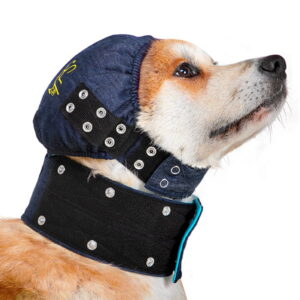
A medical collar that prevents your pet from reaching wounds or stitches on most parts of the body.
Pros
- High effectiveness across many wound locations, including face, ears, and upper torso
- Widely available and budget friendly
- Vet-trusted as a fail-safe for persistent lickers
Cons
- Can be uncomfortable and stress-inducing for some pets
- May bump into furniture and narrow doorways; reduced peripheral vision
- Needs the right size and length to prevent sneaky access
Best for
- Face, head, ear, and upper-body wounds
- Pets who will not stop licking or chewing
2) Bandages
What they are
Dressings that protect the wound surface and keep it clean.
Pros
- A sterile barrier that reduces contamination risk
- Ideal for paws, tails, and limbs when applied correctly
- Comfortable compared with a cone and does not affect vision
Cons
- Needs frequent checks; wet or soiled bandages can cause infection
- Many pets chew bandages off without an additional deterrent
- Hard to secure on joints or large trunk areas
Best for
- Paw and limb wounds when combined with a sleeve or boot
- As part of a plan, not usually the only solution
3) Recovery suits
What they are
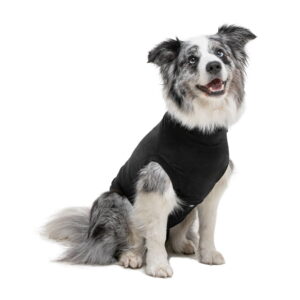
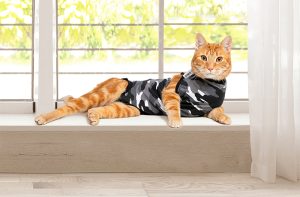
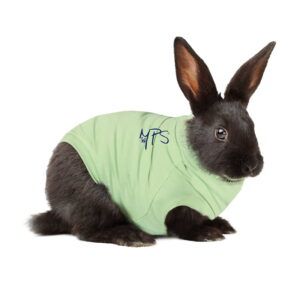
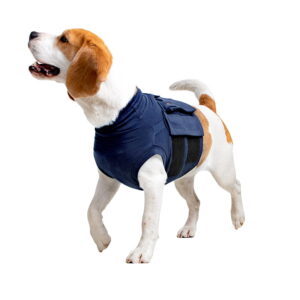
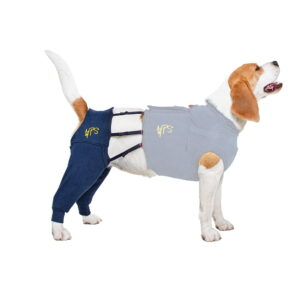
Breathable, stretchy garments (also called medical pet shirts or surgical onesies) designed to block access to trunk and belly wounds while allowing freedom of movement.
Pros
- Full-body coverage for spay and neuter incisions, C-sections, and skin irritations
- Lower stress and normal eating, sleeping, and cuddling
- Snug fit can help reduce anxiety
- Great cone alternative for trunk wounds
Cons
- Not a solution for face or paw wounds on their own
- Must fit correctly; gaps allow licking
- Needs washing and rotation to stay fresh
Best for
- Trunk and abdominal incisions, especially spay and neuter
- Indoor pets or calmer environments
Alternatives to the cone after spay or neuter
- For most dogs and cats after spay or neuter, a properly fitted recovery suit protects the incision, keeps fur clean, and avoids the cone’s frustration.
- Have a backup plan: if your pet obsessively licks through the fabric, add a cone for naps or overnight and reassess fit.
Inflatable vs soft vs plastic cones
- Plastic cones: most escape-proof, easy to sanitize, best for determined lickers. Less comfortable, can be noisy and awkward.
- Soft fabric cones: gentler on furniture and neck, better visibility. Some collapse when pets push against surfaces.
- Inflatable collars: comfy pillows that preserve peripheral vision. Not suitable for flexible pets or long-snouted breeds who can still reach the site; best for upper-body or shoulder wounds.
How to stop licking paw wounds
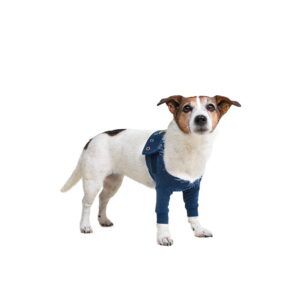
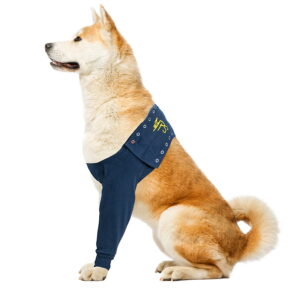
- Use layers: a vet-applied bandage plus a recovery sleeve or boot to protect the wrap, and a cone if your pet keeps nibbling.
- Keep bandages clean and dry. Use a waterproof boot outdoors and remove it indoors to avoid moisture build-up.
- Offer boredom busters like a lick mat during quiet time to reduce fixation.
- If swelling, smell, dampness, or slipping occurs, see your vet promptly.
Recovery suit sizing and toileting guide
Measuring for a suit
- Length: base of neck to base of tail
- Chest: widest part behind the front legs
- Neck: where a collar sits
- Tip: if between sizes, choose the size that fits the chest comfortably, then adjust straps or snaps.
Breed fit notes
- French Bulldogs and Pitbulls: broader chest; choose a brand with more chest allowance
- Dachshunds: longer length; check the size chart for longer-back options
- Large breeds: ensure there is adequate room for toileting and movement
Toileting in a suit
- Dogs: most recovery suits have a snap-back or fold-back panel. Unsnap, roll away from the urethral area, and re-secure after toileting.
- Cats: similar process; keep the flap clean and dry. A second suit helps when one is in the wash.
How many suits do I need?
- Two to three suits allow daily rotation while keeping one clean and dry.
Care
- Wash cold, gentle cycle; line dry to preserve stretch
- Check seams daily; replace if fabric thins near the incision
5-question chooser: cone, suit, or bandage?
- Where is the wound?
- Face or ears: cone
- Trunk or belly: recovery suit
- Paw or leg: bandage + sleeve/boot (+ cone if chewing)
- How persistent is the licking/chewing?
- Mild: suit or bandage might be enough
- Moderate to severe: start with a cone
- Is your pet anxious in a cone?
- Yes: try a recovery suit and monitor closely; consider a soft cone as a compromise
- Will your pet spend time outdoors or around other pets?
- Yes: prefer cone or suit + cone for higher protection
- Can you monitor and clean daily?
- Yes: suit or layered bandage approach
- Limited time: cone offers the most passive protection
Post-op timeline checklist
- Day 0–3: highest risk of licking. Use your primary protection full-time (cone or suit). Keep exercise minimal.
- Day 4–7: continue protection; begin short, calm walks for dogs if your vet approves. Check bandages or suits twice daily.
- Day 8–14: stitches usually still in. You may switch from cone to suit for comfort if the incision is calm and your pet is reliable.
- After stitch removal: keep protection until your vet confirms the skin is sealed and your pet shows no interest in the area.
Indoors vs outdoors
- Indoors: recovery suits excel; keep floors clean, and use a lick mat to help your pet settle.
- Outdoors: if there is dirt, mud, or excitable play, a cone is safer. For paw wounds, add a waterproof boot outside and remove it indoors.
Best cone options after spay or neuter
If you must use a cone post-spay: pick one that extends a couple of centimeters beyond the nose when worn. A soft cone is easier for relaxed pets; plastic is best for determined lickers. Inflatable collars rarely stop access to belly incisions on flexible pets.
How to bandage a paw safely (quick guide)
- Use a non-stick pad over the wound, then wrap with soft padding and cohesive bandage with gentle tension.
- Leave toes partially visible so you can check for swelling and warmth.
- Keep it dry; use a boot outside only.
- See your vet if the bandage slips, becomes wet, smells, or your pet seems painful.
Summary at a glance
- Cone: most reliable for face or for determined lickers; can be stressful; choose plastic for maximum security, soft for comfort
- Bandage: best for limbs and paws, but often needs a cone or sleeve; requires frequent checks
- Recovery suit: best comfort for trunk and belly; size correctly; not for face or paws without extra protection
Popular picks at TailMe
- Recovery suit for spay or neuter (dogs and cats): comfortable trunk protection
- Single or double recovery sleeves for paws
- Recovery boots to protect paw bandages
- Starter packs to cover everything for the first two weeks
South Africa delivery
We deliver across South Africa with trusted couriers.
FAQs
Q: How long should a dog wear a cone after spay?
A: Commonly 10–14 days or until your vet confirms healing. Some pets can switch to a recovery suit mid-recovery if they are not licking.
Q: Can a recovery suit replace a cone?
A: Often yes for trunk wounds, provided the suit fits snugly and your pet is not determined to lick. Add a cone at night if needed.
Q: How do dogs and cats toilet in a recovery suit?
A: Most suits have a fold-back panel. Roll and secure it away from the urethral area for quick bathroom breaks, then close again.
Q: Can cats wear dog recovery suits?
A: Use species-specific sizing. Many brands offer both with different proportions.
Q: What size recovery suit should I buy?
A: Measure length, chest, and neck, then consult the brand’s chart. If between sizes, choose for chest comfort and secure the length with snaps.
Q: Is an inflatable collar good for paw licking?
A: Usually not. Determined pets can still reach paws. Pair a proper bandage and sleeve or boot; add a cone if needed.
Q: How many suits do I need during recovery?
A: Two to three suits let you rotate and keep the incision area clean.
Q: Signs your pet’s incision is irritated
A: Redness that worsens, discharge, foul odour, swelling, heat, or your pet showing pain. Contact your vet.
Q: How to keep bandages clean and dry
A: Cover outdoors with a waterproof boot and remove indoors. Replace any wet or soiled bandage promptly.
Kind reminder: This guide supports, not replaces, your vet’s advice. If something looks off or your gut says it is not right, phone your vet.