Medical Recovery Suits for Dogs and Cats: A Beginner’s Guide
Quick definition
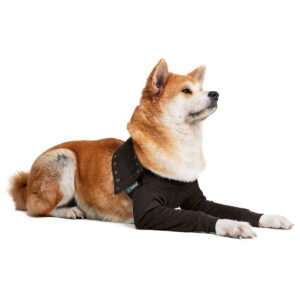
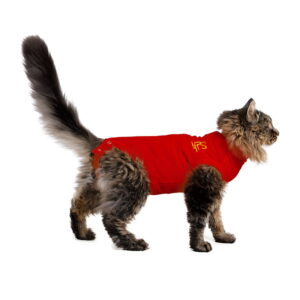
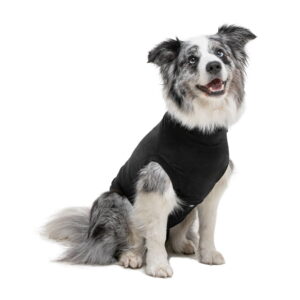
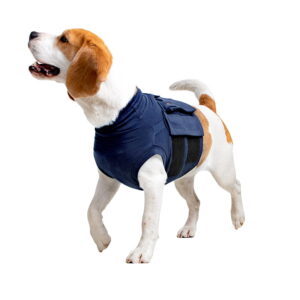
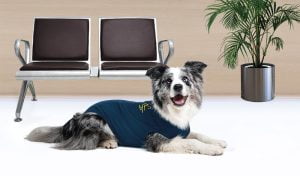
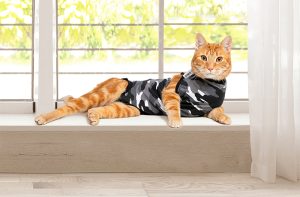
A dog/cat recovery suit (also called a medical pet shirt, surgical onesie, or anti-lick suit) is a soft, breathable body garment that covers healing areas to stop licking and scratching. It’s a cone alternative that protects incisions, hot spots, and dressings while allowing normal movement, rest, and supervised bathroom breaks.
What is a dog recovery suit?
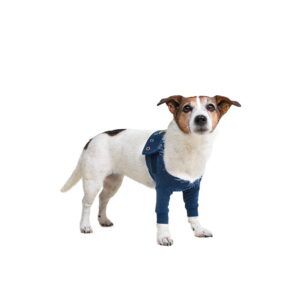
A medical recovery suit is a full-body garment for pets—primarily dogs and cats—used after surgery, during skin flare-ups, or for hygiene support. The fabric is soft, stretchy, and breathable, covering the torso (and sometimes parts of the legs) to block licking, chewing, and contamination. Compared with the plastic “cone of shame,” recovery suits preserve mobility, comfort, and dignity—and often reduce stress.
How do recovery suits work?
- Barrier protection: Blocks access to stitches, wounds, hot spots, and medicated areas.
- Clean environment: Keeps dressings or absorbent pads in place to reduce infection risk.
- Gentle compression: Four-way stretch offers a light “hug” that can help calm anxious pets.
- Easy daily care: Snaps, zips, or Velcro fastenings make checks and medication simple.
Recovery suit vs cone (E-collar)
Both tools have a place. Here’s a quick decision guide:
When a recovery suit shines
- Better comfort, sleep, and eating/drinking
- Full-area coverage for chest, belly, flanks, and groin
- Reduced anxiety for cone-averse pets
- Protection of topical treatments from being licked off
When a cone is preferable
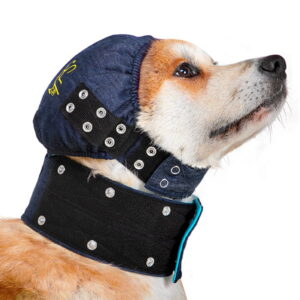
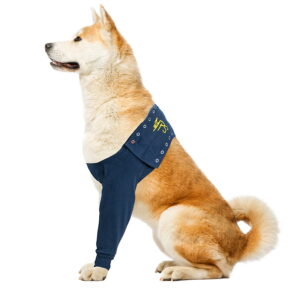
- Head/face/ear or paw procedures the suit can’t cover
- Pets that chew fabric or are determined pickers
- Situations needing maximum barrier when unsupervised
Pro tip: Many vets recommend using both when needed—e.g., a suit for comfort and coverage, plus a cone during unsupervised periods for persistent lickers. Always follow your vet’s advice for your pet’s procedure.
When should I use one?
- Post-surgical recovery: Spay/neuter, mass removals, abdominal or orthopedic procedures.
- Skin allergies and hot spots: Limits self-trauma and helps keep medicated creams in place.
- Incontinence and hygiene: Works with liners/pads for minor leaks in seniors or during heat cycles.
- Calming wear: Gentle compression can help during fireworks, travel, or crate rest.
- Warmth: Extra layer for short-haired or post-op pets; some suits offer cooling features too.
How long to wear after spay/neuter?
General guidance (always defer to your vet):
- Typical duration: 10–14 days, or until stitches are removed/absorbable sutures have sealed and your vet clears you.
- Wear time: Keep on whenever your pet is unsupervised and at night.
- Skin conditions: Continue until lesions have healed and itching subsides, then 3–5 days more to prevent relapse.
- Orthopedic or complex cases: Your vet may advise longer wear.
How to measure and choose a size
Accurate sizing is key to comfort and protection.
Take these three measurements:
- Back length: From the base of the neck (where a collar sits) to the base of the tail.
- Chest girth: Around the widest part of the ribcage.
- Neck: Around where the collar rests.
Helpful notes
- Weight and breed help confirm your choice, but measure first.
- Breed tips:
- French Bulldog: broader chest—avoid tightness around the forelimbs.
- Dachshund: longer back—choose by back length, not just weight.
- Labrador/large breeds: check stretch and belly coverage for tall chests.
- Long-haired cats: allow a touch more ease but keep a snug, secure fit.
- Size chart and calculator: View our sizing guide and use our size-exchange friendly policy if the first fit isn’t perfect.
What to look for
- Closure type: Snaps/press-studs are quick; zips are secure; Velcro is adjustable.
- Fabric: Hypoallergenic, breathable, with four-way stretch.
- Bathroom access: Look for roll-up designs or open-bottom features.
- Washability: Machine-washable for daily hygiene.
How to put it on + bathroom breaks
Step-by-step
- Start at the head: Gently guide the head through the neck opening.
- One leg at a time: Insert the front legs, keeping the fabric flat to avoid twisting.
- Pull over the torso: Smooth the suit along the back and belly.
- Fasten securely: Close snaps/zip/Velcro without pinching skin or fur.
- Bathroom roll-up: For suits with a roll-up belly, fold and secure the flap using the built-in toggle or snap before outdoor toileting. Roll down and refasten after.
Bathroom FAQs at a glance
- Dogs: Yes—most can pee and poop while wearing a recovery suit, especially with roll-up panels. Supervise and roll up the belly section for boys.
- Cats: Yes—choose a snug but non-restrictive fit so they can posture naturally in the litter box. Keep the suit clean and dry.
Hygiene tips
- Check the incision twice daily.
- Swap to a clean, dry suit if soiled or damp.
- Use liners/pads for light incontinence and change frequently.
Daily care, washing, and how many suits
- Wash: Machine-wash cold, gentle cycle; air-dry to preserve stretch.
- Frequency: Daily if contacting wounds/medications, or as needed when soiled.
- How many: Two suits per pet make rotation easy while one is in the wash.
2025 mini buyer’s guide (Suitical vs MPS)
Both brands are trusted in clinics and homes. Here’s how owners often compare them:
Suitical Recovery Suit
- Soft, breathable cotton-blend with reliable stretch
- Thoughtful roll-up bathroom panel
- Widely used post-spay/neuter and for hot spots
MPS Medical Pet Shirt (MPS)
- Durable fabric and secure fastening
- Good coverage for abdomen and flanks
- Popular in vet settings for post-op protection
Choosing between them often comes down to closure preference, fabric feel, and your pet’s body shape. If you’re unsure, message our team a photo and measurements—we’re happy to recommend a size and model.
Real pet stories
- Milo the Labrador (neuter): Milo panicked in a plastic cone. In a recovery suit he slept normally, managed toilet breaks calmly, and left his incision alone.
- Luna the Persian cat (dermatitis): Luna’s suit prevented over-grooming, kept medicated creams in place, and reduced flare-ups between vet visits.
FAQs
Q: Can my dog or cat pee and poop while wearing a recovery suit?
A: Yes. Most suits are designed to allow normal toileting. For male dogs, roll up or secure the belly panel before bathroom breaks.
Q: How long should my pet wear a recovery suit after a spay or neuter?
A: Typically 10–14 days, or as your vet advises. Keep it on at night and when unsupervised.
Q: Is a recovery suit better than a cone?
A: It depends on the surgery and your pet. Suits offer comfort and coverage; cones can still be essential for head/ear/paw procedures or persistent lickers. Many pets benefit from both.
Q: What size recovery suit does my breed need?
A: Measure back length, chest girth, and neck, then check the size chart. Frenchies need chest room; Dachshunds need longer back coverage; large breeds need adequate belly length.
Q: Can I use a recovery suit for hot spots or allergies?
A: Yes—suits help stop self-trauma and protect medicated areas. Monitor the skin daily and follow your vet’s plan.
Q: How many suits do I need during recovery?
A: Two is ideal so you can rotate and keep one clean and dry at all times.
Q: How do I wash and dry the suit?
A: Machine-wash cold, gentle cycle; air-dry. Avoid high heat to preserve fabric stretch.
Q: Is a recovery suit safe for cats using a litter box?
A: Yes—ensure a snug but comfortable fit so your cat can posture naturally. Keep litter boxes clean and low-sided during recovery.
Support, shipping, and size exchanges
- Not sure on size? Our team can help—send measurements and a photo via Support.
- Ordered the wrong size? We offer hassle-free size exchanges.
- Fast, trackable shipping across South Africa. See details in Support.
Closing thought
Medical recovery suits are a pet-friendly way to protect healing skin and surgical sites without the stress of a rigid cone. With the right fit and a few daily habits, most pets settle quickly and heal comfortably. Always follow your veterinarian’s guidance for your pet’s unique needs.