Signs a Recovery Suit Isn’t Working (and What to Do)
When a recovery suit fits and functions well, it’s a calm, cone-free way to protect wounds, stitches, and skin flare-ups. When it doesn’t, you’ll see stress, mess, or delayed healing. This guide helps you quickly spot what’s wrong and fix it—so your pet can recover comfortably.
Note: The guidance below is informed by veterinary best practices. Always follow your own vet’s instructions for your pet’s specific surgery or condition.
Quick signs + one-line fixes
- Tight indentations or swelling = suit is too tight → re-measure and size up; aim for snug, not compressing.
- Bunching or exposure = too loose → tighten closures or size down for a body-hugging fit.
- Redness, rash, or chafing = fabric/fit issue → switch to breathable, hypoallergenic fabric (e.g., organic cotton).
- Bad odour or dampness = hygiene problem → wash/dry more often; rotate two suits; ensure airflow.
- Dog won’t pee / cat won’t use the box = potty access off → realign or fold back panels; use male/female guidance below.
- Stiff, anxious, or won’t settle = movement restricted → choose shorter legs, lighter fabric, or a better pattern.
- Heat or discharge at the wound = possible infection → remove suit and call your vet.
- Escaping the suit = wrong style/size → try a different brand or a sleeve/wrap; check closures.
Quick checklist: Is your recovery suit working?
- Surgical site fully covered and stays covered while walking, sitting, and lying down.
- No deep lines in the fur or skin after removal.
- Your pet can breathe, eat, sleep, and toilet normally.
- Skin under the suit is cool, dry, and odour-free.
- Your pet isn’t constantly scratching, licking, or trying to escape the suit.
If you’re failing any of the above, read on for fixes.
Signs it’s too tight (with fixes)
Common signs:
- Visible indentations or pressure lines in the coat or skin
- Swelling of paws/limbs or laboured breathing (chest too compressed)
- Restlessness, panting, or scratching at the suit
Fix it:
- Re-measure neck, chest girth (widest point), and back length (base of neck to base of tail).
- If between sizes, choose the snug-but-not-restrictive option; you should slide two fingers under the fabric.
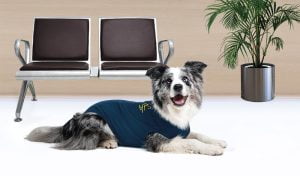
- For deep-chested dogs (e.g., Greyhounds), pick brands cut for that shape or size up in chest and adjust length.
- Consider a more elastic, breathable option (e.g., Suitical or MPS medical pet shirts) to maintain coverage without compression.
Signs it’s too loose (with fixes)
Common signs:
- Suit shifts or twists, exposing stitches or hotspots
- Excess fabric bunches under the armpits/abdomen, causing chafing
- Your pet can wriggle out or step on the fabric
Fix it:
- Check all closures/snaps are fully engaged; adjust tummy panel tension.
- Size down if the suit rides up or hangs off the hips.
- Choose a brand with better anatomical shaping for your pet’s build (cats, toy breeds, or barrel chests).
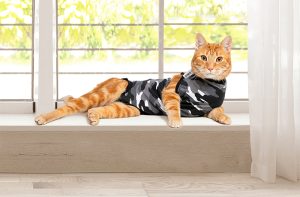
- For cats and small breeds, lighter, body-hugging fabric prevents slip without adding bulk.
Skin irritation or allergies (what to do)
Watch for:
- Redness, rash, heat bumps, or hair loss under seams/leg openings
- Licking or scratching around edges (neck, tail, groin)
- Strong odour or dampness after short wear times
What helps:
- Remove the suit, wash skin with a vet-approved gentle cleanser, and air-dry.
- Switch to hypoallergenic, breathable materials (organic cotton/bamboo; dye-free).
- Avoid rough internal seams; look for flat-lock stitching and soft bindings.
- In hot climates, use moisture-wicking, ventilated panels to avoid heat rash.
- If irritation persists or you see pus, heat, or pain—call your vet.
Cat owners: “Cat recovery suit irritation” often improves when leg holes are slightly larger and the belly panel is softer—try a softer binding or a different brand cut for felines.
Potty access and hygiene problems (dog vs cat)
Symptoms:
- Dog won’t pee in recovery suit / cat won’t use the litter box
- Urine/faeces on the inner lining; bad odour; matted fur
Quick fixes:
- Alignment: Ensure the rear opening clears the urethra (male) or vulva (female). A few millimetres off can cause accidents.
- Fold-back: Most suits let you fold and secure the potty panel with snaps for bathroom breaks. Practice this step calmly before heading outside.
- Male dogs: Confirm the prepuce is fully clear in a neutral standing position; adjust panel higher if necessary.
- Female dogs/cats: Keep the belly panel low enough to protect stitches but not impede urination.
- Reluctant pets: Remove the suit briefly for toilet breaks (supervised), then put it back on. Reward successful toileting.
- Hygiene: Keep a second suit to rotate; wash after any soiling; pat dry skin before re-dressing.
If potty issues persist for 24 hours or your pet refuses to urinate, contact your vet.
Restricted movement or anxiety (how to adjust)
Signs:
- Stiff, short steps; stumbling or reluctance to lie down
- Constant pacing, whining, or “freeze” response
- Can’t perform normal behaviors (eat, groom, climb for cats)
What to try:
- Switch to a lighter, stretchier fabric with shorter leg lengths or higher cut underarms.
- Introduce the suit gradually: short sessions with treats, then extend wear time.
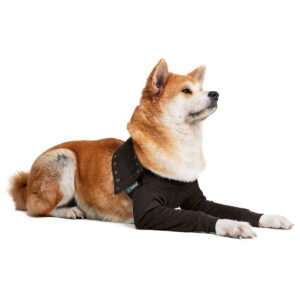
- For orthopedic/TPLO cases, a snug torso with free elbows often works best—consider a suit with optional leg coverage or pair with a recovery sleeve.
- If stress remains high, alternate with a soft cone during supervised periods.
Inhibited wound healing or infection signs
Warning signs:
- Persistent redness or swelling; the area feels hot
- Discharge, bad smell, or wetness trapped under the fabric
- Your pet fixates on one spot despite coverage
Immediate steps:
- Remove the suit, allow airflow, and inspect the site.
- Clean per your vet’s instructions and switch to a more breathable suit.
- Call your vet if symptoms worsen or don’t improve within hours.
When to call your vet now:
Fever, lethargy, rapid breathing, severe swelling, fresh bleeding, pus, refusal to urinate >12 hours, or refusal to eat >24 hours.
When to switch styles (sleeves, wraps, cone)
Sometimes a different tool is the kinder, safer choice:
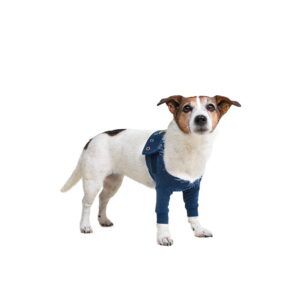
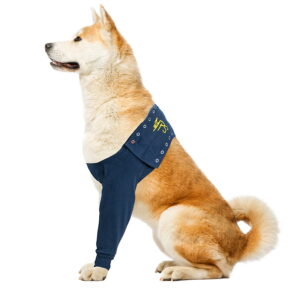
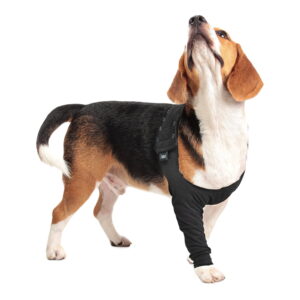
- Recovery sleeves: Best for front-leg/elbow wounds or IV sites; keep mobility without full-body coverage.
- Partial wraps: Good for hotspots or localized lick granulomas.
- Full suit vs cone: A suit protects and calms many pets; a cone prevents access entirely. Use a cone if licking persists, for certain facial surgeries, or if the suit can’t protect the site.
- Nursing/c-section: Choose designs that safely open for feeding while shielding incisions.
- Hot weather: Prioritise breathable, moisture-wicking fabrics.
Not sure? Chat to us—our team can match your pet’s surgery and temperament to the right style.
How tight should a recovery suit be?
Think “close T-shirt,” not shapewear. You should slide two fingers under the fabric at the neck, chest, and belly. The suit shouldn’t leave indentations, change breathing, or restrict normal walking or toileting. If fur parts sharply or skin shows lines, it’s too tight.
Measuring guide + size chart
Measure in a calm stand:
- Neck: Where a collar sits—snug, not tight.
- Chest girth: Widest part behind the front legs.
- Back length: Base of neck to base of tail (keep the tape level).
Fit tips:
- Between sizes? For dogs, go snug but non-restrictive; for cats, a gently hugging fit prevents wriggle-outs.
- Male dogs: Check potty clearance on the prepuce in standing and slight squat.
- Deep-chested breeds: Prioritise chest fit and choose cuts made for that shape.
- Kittens/small cats: Look for feline-specific cuts with softer bindings.
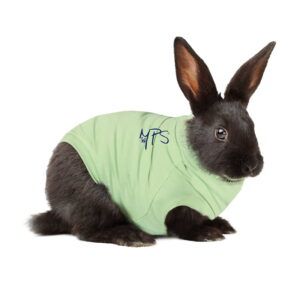
- Rabbits: Use dedicated rabbit medical shirts for safe armhole and chest placement.
Find your pet’s size with our dog recovery suit size chart and cat recovery suit size chart. Same-day dispatch in SA and easy returns on unworn items.
Care and maintenance
- Own two suits: one on, one drying.
- Wash cool (30°C) with mild detergent; avoid fabric softeners that can irritate skin.
- Air-dry to preserve elasticity and fit.
- After walks or toilet breaks, pat the area dry before re-dressing.
- For sensitive skin, consider organic cotton or hypoallergenic ranges.
Helpful product paths
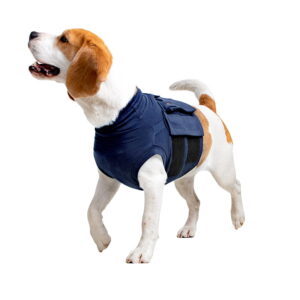
- Suitical full-body recovery suit (DOG & CAT): breathable, vet-trusted everyday protection.
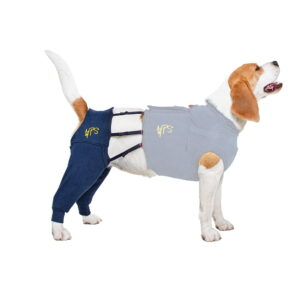
- MPS veterinary range shirts and sleeves: precise fits, options for front-leg or double sleeves.
- Breathable hot-weather recovery suit: lighter fabrics for SA summers.
- Recovery sleeves for front-leg surgery: targeted coverage without bulk.
Prefer guidance? Message our team for personalised sizing and style advice.
FAQs
Is a recovery suit better than a cone?
It depends on the surgery and your pet. Suits are great for body wounds, reduce bumping, and can calm anxious pets. Cones stop access entirely and may be better for face/eye procedures or determined lickers. Many families alternate—suit by day, soft cone when unsupervised.
Can my dog sleep in a recovery suit?
Yes—if it fits correctly. Your dog should breathe, lie down, and stretch normally without pressure lines after removal. Use breathable fabric, keep the area dry, and check the incision twice daily. If sleep seems restless or hot, switch to a lighter suit or remove briefly while supervised.
How long should pets wear a recovery suit after spay/neuter?
Typically 10–14 days, or as your vet advises. Keep the site covered until stitches are removed or the wound is fully healed. Check the area twice daily for redness, heat, or discharge, and wash/rotate suits to keep the skin cool and dry.
Can cats use a litter box in a recovery suit?
They can—if the suit is aligned correctly and not too long under the belly. Ensure the rear opening is clear, and practice folding back the potty panel. If your cat hesitates, remove the suit briefly for the box (supervised), then re-dress and reward calm use.
My dog won’t pee in a recovery suit—what now?
Recheck male/female potty alignment in a natural stance, fold back and secure the panel, and try a quick on-off routine for toilet breaks. Reward immediately after peeing. If refusal lasts over 12 hours, call your vet to rule out pain, UTI, or excessive restriction.
What if the suit rubs or causes a rash?
Stop use, clean and dry the skin, and switch to a softer, hypoallergenic fabric with flat seams. Make sure the suit isn’t too tight and that the area stays dry in warm weather. If there’s heat, pain, or pus, contact your vet before re-dressing.
With the right size, fabric, and style, a recovery suit should make healing calmer—not harder. If you’re unsure, we’re here to help with fit checks, brand comparisons, and fast delivery across South Africa.