
A GPS Tracker Could Save the Life of Your Pet
Quick summary: If you are safety-conscious and wondering whether a GPS pet tracker could genuinely save your dog or cat’s life, this real-world South African rescue shows how. Below, we share Molly’s story, explain simply how GPS differs from microchips and Bluetooth tags, and show you how to choose the right tracker for your pet.
Why GPS Beats Microchips & Bluetooth in an Emergency
- Microchips are ID, not tracking: Vets and shelters scan chips after a pet is found; they have no battery and cannot show live location.
- Bluetooth tags (AirTag / TailTags) rely on passing phones: Great in busy urban areas or indoors, but limited for roaming pets, quiet suburbs, or locked rooms where no strangers walk by.
- GPS + 4G Cellular Trackers show live location: Uses satellites plus South African mobile networks to pinpoint your pet on a map, trigger geofence escape alerts, and guide you straight to them.
Real Rescue: How a GPS Tracker Saved Molly’s Life
It has been many years since my own beloved cat went missing—an experience that, as many of you know, was the start of my journey building TailMe. I learned first-hand how stressful a missing pet is, and how dangerous it is for them out there. When I eventually got him back, he was underweight, his fur was tangled, and he was sick. It took weeks for him to regain his strength. I was lucky. He was not.
Kevin’s kitten, Molly, reminded me why I keep trackers on my cats. Kevin lives right next to a local school in Durban, KZN. Molly loves exploring the large fields and trees along the boundary. One Friday afternoon before a two-week school holiday break, the final bell rang, the grounds cleared out, the staff locked up, and Molly did not come home.
At first, Kevin thought she was just enjoying the quiet of the empty school grounds. By the next day, Molly still was not home—and the GPS dot on his TailMe app map had not moved. Something was wrong.
The satellite pin didn’t show her in a neighbour’s bush; it sat dead-center on a concrete sports equipment storeroom tucked behind the school’s main pavilion. Because the app showed a persistent pinpoint right inside the structure, Kevin refused to take no for an answer. He contacted the school’s security and principal, got permission to enter the locked grounds, and went straight to the exact building shown on his phone.
As soon as the caretaker unlocked the heavy steel door, Molly dashed out—hungry and thirsty, but unharmed.
Here is the scary part: That storeroom was locked for the two-week school holidays. Without a GPS cat tracker, no one would have heard her meowing behind solid brick and steel, and she could not survive two weeks without water. Your decision to put a GPS pet tracker on your pet’s collar could literally save their life.
How Pet GPS Trackers Actually Work (Explained Simply)
Many pet owners wonder how a tiny device on a collar can pinpoint a cat inside a school storeroom or a dog kilometres away. Pet GPS trackers aren’t magic—they use a clever relay team of four technologies working together:
- GPS & GLONASS (The Foundation): The tracker listens to timing signals from multiple satellites orbiting Earth to calculate your pet’s exact coordinates—usually within 2 to 10 metres outdoors. Key point: GPS calculates the location, but another technology sends it to your phone.
- 4G / LTE / NB-IoT Cellular (The Messenger): Most pet GPS trackers include a local SIM card that sends those coordinates over South African mobile networks to your phone app in near real-time. Modern TailMe trackers use 4G LTE or NB-IoT (great for low power and deeper indoor penetration) as legacy 2G networks are phased out.
- Wi-Fi & BLE Beacons (The Battery Saver): Wi-Fi isn’t for long-range tracking; it helps indoors. When your tracker recognises your home Wi-Fi or a TailMe Smart BLE Beacon, it knows your pet is safely at home and switches to a low-power sleep mode so the battery stays charged for a real escape.
- Bluetooth & Audio Buzzer (The Last 10 Metres): Once GPS guides you to the right building, bush, or storm drain, you activate the tracker’s remote audio buzzer (or Bluetooth proximity) to hear and find your pet in the final few metres.
When the Map Dot Does Not Move: The Lost-Pet Checklist
Just like in Molly’s rescue, if your pet’s GPS location hasn’t changed for a while—or if you need to recover a missing pet fast—use this field-tested checklist:
- Could your pet be stuck or locked in? Check garages, school buildings, storerooms, storm drains, construction sites, or neighbour sheds near the pin.
- If the dot repeatedly snaps to the same building: Do not assume it is a glitch. Ask neighbours or security for permission to check inside.
- Is the collar snagged? Look for snag points like palisade fences, dense bushes, or low branches along the map route. (For cats, always use a safety breakaway collar).
- Switch to Live Tracking & Sound: Enable Live Mode as you walk the final 50–100 metres slowly, and trigger the app’s audio buzzer so you can hear them behind closed doors or under cover.
- Share the live link: Share tracking access in-app with family or neighbours so someone can approach from the opposite side.
- Bring a power bank & torch: Live tracking on your phone uses extra battery, and a torch helps catch eye-shine under cars or bushes at dusk.
Read more: What to Do If Your Pet Goes Missing: A Step-by-Step Guide.
GPS vs. Microchip vs. AirTag (TailTags): What’s the Difference?
| Technology | How It Works | Typical Range | Accuracy | Needs SIM / Data? | Best For |
|---|---|---|---|---|---|
| GPS + Cellular | Locks onto satellites; sends live location via 4G/NB-IoT | Country-wide (wherever there is cell coverage) | 2–10 m outdoors | Yes (Prepaid airtime/data SIM; R0 app fee on Pro) | Everyday safety, active escapes, cats & dogs that roam outdoors |
| TailTags / AirTag (Crowd-Find) | Bluetooth beacon detected by nearby Apple/Android phones | 10–30 m direct; further only if phones pass by | Good nearby; variable otherwise | No (Zero monthly fees; 1-year coin battery) | Calm indoor pets, urban backup, budget-friendly secondary tag |
| Microchip (RFID) | Passive rice-sized implant under the skin | None (Must be scanned by a vet/shelter) | N/A | No | Permanent lifelong ownership ID if a collar comes off |
| RF (Radio Frequency) | Handheld directional antenna follows a radio ping | Up to a few km (terrain dependent) | Directional only (No map) | No | Remote off-grid bushveld areas with zero cell service |
Bottom line: Microchips and GPS work together—microchip for permanent ID, GPS for actively finding your pet before tragedy strikes. Considering an AirTag-type tag? See TailTags, our Apple and Android compatible tag designed as a featherlight, budget-friendly companion.
Cat vs. Dog: Buyer’s Checklist & Which TailMe Tracker is Best?
Every pet has different physiology and habits. Before choosing a GPS pet tracker, keep these rules in mind:
- The 5% Body Weight Rule (Size & Comfort): Keep any collar device under 5% of your pet’s body weight. For cats and toy dogs under 4 kg, choose an ultra-light, low-profile tracker under 30g so it doesn’t create a “pendulum swing” against their chest.
- Collar Safety for Cats: Always fit cat trackers to a breakaway collar so it opens under pressure if snagged, leaving a snug two-finger gap.
- Waterproofing: Look for IP67 ratings so rain, wet grass, and puddles are non-events.
Compare TailMe Trackers: Find Your Best Fit
- Agile Pro Ultra-Lightweight GPS Cat & Small Dog Tracker (19g)
Best for: Cats and toy breeds under 4 kg.
Why choose it: At just 19g, it’s South Africa’s lightest dedicated GPS + Beidou tracker. Includes a free Bluetooth Base Station (BLE Beacon) in the box for indoor battery saving and room-level proximity, plus an audio buzzer and IP67 waterproofing. - Nimble Pro 4G GPS Pet Tracker (36g)
Best for: Small-to-medium active dogs and adventurous cats (4 kg and above).
Why choose it: Balanced 36g build operating across all major 4G LTE networks (Vodacom, MTN, Telkom), featuring two-way voice call-in/listen-in, audio buzzer, Wi-Fi Home Safe Zones, and up to 10-day power-save battery life. - Infinity Pro Extended-Battery GPS Dog Tracker (39g)
Best for: Medium-to-large dogs (6 kg+), farm dogs, and wide roamers.
Why choose it: Heavy-duty ruggedness with a massive 800mAh battery delivering up to 10 days of active tracking (up to 14 days standby), high-gain ceramic antenna, and full BLE Beacon compatibility. - TailTags Smart Pet Tracker Tag (6.5g)
Best for: Low-risk indoor pets, tight budgets, or as a secondary backup tag.
Why choose it: Works with Apple Find My & Android, zero monthly fees, and a 12-month replaceable battery.
Battery Life, Subscriptions, and South African Coverage
How to balance battery life vs. update frequency
- Update frequency: Faster updates use more power. Use calmer intervals (or Home Safe Zone sleep mode via Wi-Fi / BLE Beacon) for daily peace of mind, and switch to rapid Live Tracking only when actively searching.
- Signal quality: Poor cellular signal or thick concrete roofs make a tracker work harder. A BLE Beacon prevents indoor battery drain completely.
- Seasonal & travel prep: Before school holidays, long weekends, moving house, or New Year’s fireworks, charge your tracker to 100%, check collar fit, and set a holiday geofence at your destination.
What to expect with SIM cards and subscriptions
Unlike overseas brands that lock you into R150–R250+ monthly software contracts, TailMe Pro trackers have R0 mandatory monthly app fees. Because GPS coordinates travel over mobile networks, the tracker simply uses a local prepaid SIM card (typically R10–R20 per month in data/airtime) so you stay in full control without hidden subscription traps.
FAQs
Do GPS trackers work for cats that hide indoors or under cover?
Yes. GPS gives you the map position so you can identify the right building, garden, or tree line—just like Kevin found Molly inside the school storeroom. In the final metres indoors or under heavy roofs, cell tower (LBS) fallback, Wi-Fi sniffing, the audio buzzer, and a BLE Beacon help you zero in.
Do pet GPS trackers work without cell service?
A tracker can still “see” GPS satellites without cell coverage and save those points, but it needs a mobile network (4G LTE or NB-IoT) to send that location to your phone screen. Once your pet re-enters an area with signal, the route updates.
Are GPS pet trackers safe from radiation or RF exposure?
Yes. Reputable trackers follow strict RF exposure limits and are designed for safe everyday wear. Even better, when paired with a Home Wi-Fi Zone or BLE Beacon, the cellular radio goes to sleep while your pet naps at home.
How do I set virtual boundaries (geofencing)?
Open the app, tap Geofence, draw a safe zone around your yard or holiday accommodation, and save. You’ll receive an instant alert on your phone if your pet leaves or enters that zone.
Ready to Choose the Right Tracker for Your Pet?
Don’t wait for an open gate or a locked storeroom to wish you had a tracker. Use our interactive 3-Point Evaluation & Comparison Guide, or browse our full store:
👉 Compare Models: GPS Pet Tracker Buyer’s Guide
Or jump straight to the shop: Browse All Pet Trackers & Accessories
About the Author
Gavin Levenstein is the founder of TailMe and a lifelong cat and dog lover who began building pet-tracking solutions after losing his own cat years ago. He has helped thousands of South African pet owners choose and use GPS trackers with confidence.
Related Products
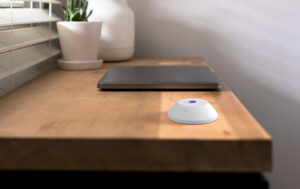

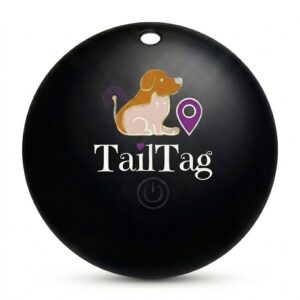
TailTags Smart Pet Tracker Tag – Apple Find My & Android Compatible
The Only AirTag-Style Smart Pet...
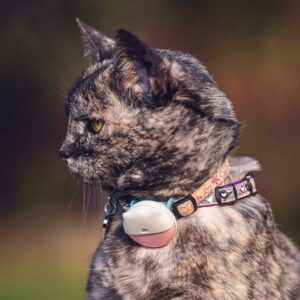

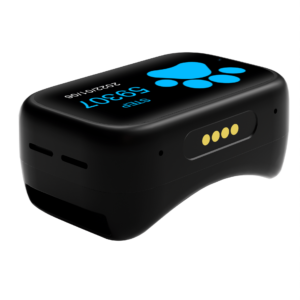
Infinity Pro Extended-Battery GPS Dog Tracker (Up to 10-Day Battery)
The 10-Day Long-Battery GPS Dog...


